 By mrtwinsvlog@gmail.com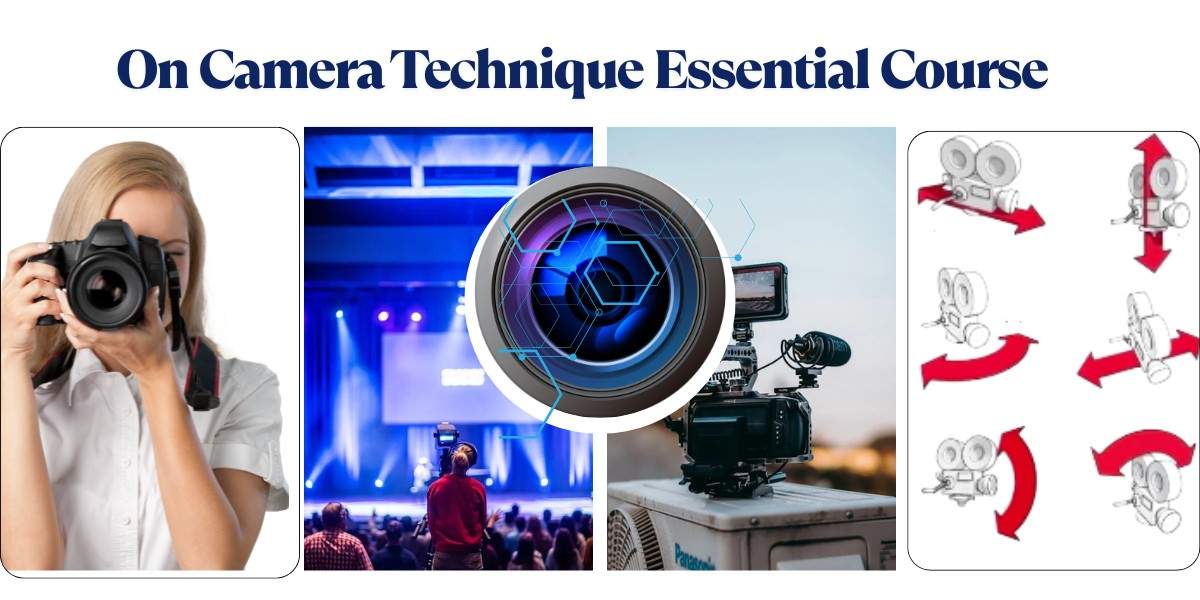
On camera technique essential course for newcomers introduces abecedarian chops for appearing confident and professional on videotape. This includes learning body language, speaking easily, and maintaining eye contact with the lens. newcomers should start by rehearsing in front of a glass or recording device, fastening on posture, tone, and facial expression. Use introductory lighting and avoid distractions in the background. Courses also educate introductory script reading and delivery ways.
On Camera Technique Essential Course
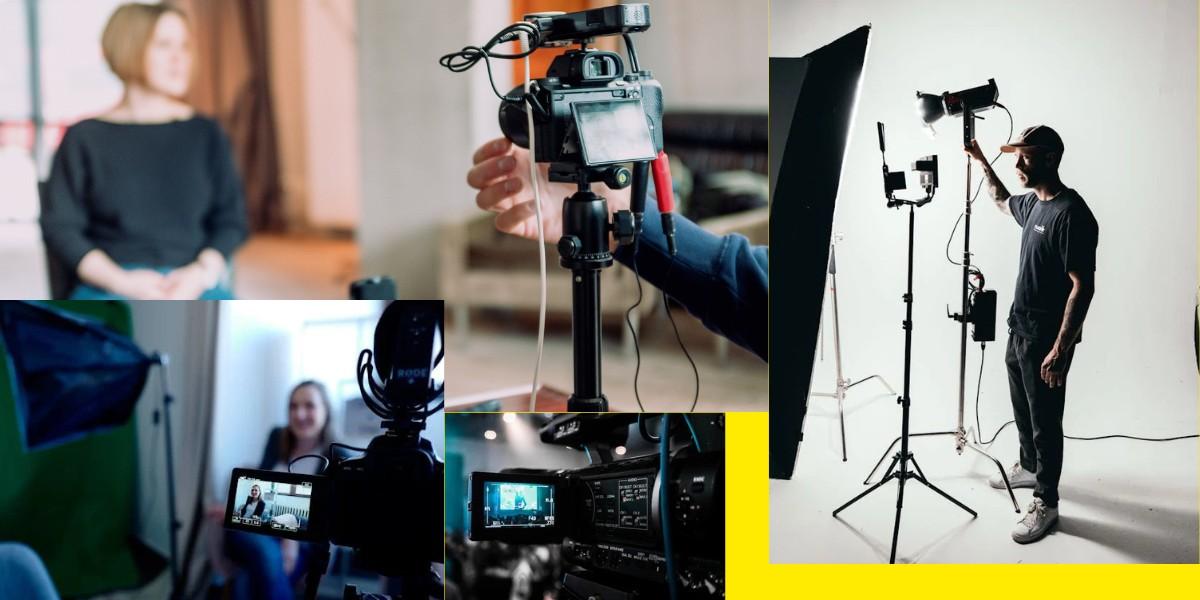
On camera technique essential course provides structured training in voice protuberance, facial expression, eye-line discipline, movement control, and use of teleprompters. The correct procedure includes learning to relax in front of the camera, developing script familiarity, rehearsing natural gestures, and modulating voice tone. Scholars are guided through videotape recordings, feedback sessions, and specialized breakdowns of shot architecture and performance timing. The course may include assignments on lighting setup, sound quality, and camera mindfulness. Whether for acting or digital content, the course is essential to establish comfort, credibility, and thickness on screen. Hands-on practice is pivotal for learning these ways.
On Camera Technique Essential Course Free
Free on- camera fashion courses are extensively available online, offering accessible coffers to learn crucial chops without fiscal commitment. These courses generally include YouTube tutorials, educational blog posts, or free trial modules from professional seminaries. To profit effectively, set up your phone or webcam and follow each assignment laboriously. Practice speaking easily, using proper lighting, and reviewing your footage. numerous generators learn through this system before upgrading to advanced classes. A tone- motivated routine and harmonious operation of free content lead to major advancements in on- camera performance.
Phone Camera Flash Fashion
Smart Money Finascare : What are the features of Smart Money?
Using a phone camera flash rightly involves understanding when and how to apply light without overusing the subject. Use flash primarily in low-light conditions or to exclude harsh murk. Hold the phone steady, clean the lens, and ensure the flash is n’t too close to the subject. Numerous phones now offer malleable flash situations — use the softest light when shooting pictures. Avoid reflective shells that can bounce the light constitutionally. Consider using a white towel over the flash for prolixity. Natural lighting is preferred when available, but understanding flash fashion ensures clarity in darker surroundings. Always exercise shots and make adaptations consequently.
On Camera Active Techniques
On-camera active ways concentrate on dynamic expressions, natural gestures, and purposeful movement that keeps the followership engaged. Correct procedure involves rehearsing body movements in sync with speech, emphasizing words with hand gestures or head nods, and using controlled pacing. These ways must be subtle and avoid distracting the bystander. Use open postures, shift weight slightly when transitioning between studies, and always maintain eye-position contact with the lens. Rehearsing with harangues, Q&A, or liars helps upgrade active delivery. Review recordings to exclude robotic gestures . Active ways help produce a vibrant, authentic screen presence that feels alive and conclusive to observers.
Michael Caine On Camera Technique
Michael Caine’s on- camera fashion emphasizes minimalism, internal emotion, and direct eye-line engagement. He advises actors to keep their performance subtle, expressing feelings through the eyes rather than inflated gestures. A crucial procedure involves choosing one eye of the camera lens to concentrate on as if speaking to a person. Exercise by rehearsing lines calmly and avoiding blinking exorbitantly. Cain also teaches the “ don’t blink ” system to maintain strong eye contact with the followers. His fashion suits near- over scenes where microexpressions count. Actors should study his tutorials and replicate scenes to master silent intensity, camera stillness, and credible literalism.
On Camera Film Techniques
Mutual funds :Mutual funds and how they work
On-camera film ways include shot composition, durability, blocking, lighting, and emotional expression. These are essential for erecting cinematic scenes. Actors and presenters must align performance to the camera’s architecture, movement, and timing. The correct procedure begins with understanding your position relative to the camera and light source. Always match movements with blocking marks and maintain eye- line thickness. Directors may use over-the-shoulder, medium, or near- over shots depending on emotional intensity. Exercise shifting tone and body language for different angles. Rehearse with a script and perform in multiple takes. This ensures durability, pacing, and performance quality across scenes and edits.
3 Camera Techniques
Three essential camera ways are 1) the Static Shot, where the camera remains still and emphasizes the subject’s action; 2) the Tracking Shot, where the camera follows the subject to convey stir or emotion; and 3) the Zoom Shot, used to draw attention or emotion toward a subject. The correct use depends on narrative pretensions. newcomers should experiment with each, shooting the same scene using all three ways. Focus on steady running, framing, and transitions. Understanding how each shot affects the bystander’s perception is crucial to erecting visual liar chops. Review footage for smooth prosecution and visual clarity.
Uses Of Camera 10 Lines
Cameras are necessary in both particular and professional surrounds, enabling global communication, creative expression, and literal preservation. From entertainment to exploration, the camera is a central tool in the ultramodern visual world.
- Landing photos
- Recording videos
- Live streaming events
- Monitoring security (CCTV)
- videotape conferencing and calls
- Creating content for social media
- Filming pictures or pictures
- Scientific attestation
- Cultural photography and visual liar
- Journalism and news content
On Camera Technique For Beginners
Newcomers should follow a structured process to make on-camera confidence. Start with short videotape recordings in a quiet room, using front-facing cameras. Record simple prolusions or liar clips and review them for enhancement. Avoid over-rehearsing, which can appear robotic. rather, concentrate on being authentic. Watching back recordings reveals body language and voice habits to ameliorate. Repetition builds comfort, while simple scripts help exercise pacing and voice modulation. In time, on- camera ways feel natural, making public speaking or content creation easier and further compelling.
7 types Of Camera Shots
The seven main types of camera shots are 1) extreme wide shot, 2) wide shot, 3) medium shot, 4) near-up, 5) extreme close-up, 6) over-the-shoulder, and 7) two-shot. Each serves a visual narrative purpose. For illustration, close- ups concentrate on emotion, while wide shots give the environment. The correct procedure involves matching the shot to the scene’s emotional tone. Directors and content generators should storyboard scenes using a variety of these angles to keep visual engagement high. Rehearsing these shots builds camera knowledge and editing meter. Use a tripod for immutability and rehearse transitions between shot types in rephotographing practice sessions.
Camera Movements
Camera movements include kissers, tilts, puppets, cranes, and handheld shots — each adding dynamics and emotion to liars. The correct fashion begins with relating the asked effect( e.g., suspension, energy, closeness). Rehearse movements to avoid pulls. Anglings show height or soul-searching, while tracking shots follow action. Zooming should be slow and purposeful. Exercise on simple scenes, and acclimate speed according to emotion or meter. Harmonious practice helps generators master the inflow, control, and impact of stir in visual liars.
Camera Shots And Angles
Camera shots and angles work together to impact followership perception. Shots define what’s seen; angles define how it’s seen. Use high angles to show vulnerability, low angles for power, and eye- position for impartiality. Combine with close-ups or wide shots to make story depth. Newcomers should storyboard with colorful combinations to explore emotional goods. Record the same dialogue using different angles and compare responses. Always align subject placement using the rule of thirds. Thickness in lighting and sound is crucial for flawless transitions between shots. This process strengthens visual liars and enhances the emotional delivery of scenes or content.
Camera Angles In Film
In film, camera angles communicate emotional power, relationship dynamics, and character psychology. Common angles include raspberry’s- eye view, worm’s-eye view, Dutch cock,over-the-shoulder, and point of view. The correct procedure involves matching the angle to the narrative purpose — raspberry’s- eye for detachment, low angle for dominance, etc. Plan your scene using storyboards. Position the camera designedly; do not shoot aimlessly. Use blocking and light to enhance mood. Film scholars should dissect scenes from iconic pictures to see how angles shape bystander emotion. Recreating these scenes with mobile phones or DSLRs builds understanding of visual alphabet and cinematic impact.
Types Of Camera Angles
Types of camera angles include 1) high angle, 2) low angle, 3) over-the-shoulder, 4) Eye- position, 5) Dutch cock, 6) bird’s-eye view, and 7) point of view (POV). Each serves a narrative function. Proper use starts with scene planning. For illustration, a Dutch cock creates apprehension, while POV creates absorption. Film generators should match camera angle with emotional pretensions. Practice using all seven angles by shooting a harangue or short scene from each perspective. Review and note emotional differences in playback. Camera angles should support the liar, not distract from it. Careful angle choice elevates indeed simple content to professional cinematic quality.
Open Camera To Take A Photo
To open your camera and take a print, follow this way On mobile, unleash the screen and tap the camera icon. On utmost phones, swiping from the cinch screen also opens the camera. Frame your subject using the on-screen grid (enable it in settings). Use the volume button or shutter icon to capture the print. For professional prints, ensure proper lighting and architecture. Exercise with different angles and subjects. Regular firing improves timing, composition, and visual liar chops.
Camera In Technical Drawing
In specialized delineation, a camera is frequently represented as a schematic symbol to describe its placement and field of view in architectural or engineering plans. It’s used for surveillance planning, stage design, or 3D modeling layouts. The procedure includes marking the camera’s position, exposure, and content area using standard symbols like cones or arrows. Contractors use CAD software to place cameras with perfection, icing optimal visibility. Proper specialized delineation helps identify eyeless spots, lighting issues, and wiring paths. This information supports construction, safety planning, and outfit installation.
On Camera Teleprompter
An on- camera teleprompter displays a scrolling textbook directly in front of the camera lens, helping presenters deliver lines naturally while maintaining eye contact. Setup involves attaching the teleprompter to the camera carriage, loading a script into the software or app, and conforming scroll speed. Exercise reading audibly with expression, matching tone to content. Eye- line remains steady, creating a confident print. Avoid sounding robotic by using varied pitch and pace. In 2025, mobile apps and compact prompters make this tool accessible for vloggers, YouTubers, and intelligencers. Proper use improves delivery, reduces memory pressure, and increases professionalism in recorded or live videos.
What Is a Technical Camera?
A specialized camera is a high-perfection photographic device used in professional fields like armature, artificial imaging, or scientific attestation. It features homemade control over focus, shift, cock, and perspective correction. The procedure includes mounting the camera on a stable tripod, conforming the lens manually, and aligning the composition with grid lines. These cameras frequently support large formats and allow for deformation-free imaging. Their advanced control systems ensure largely accurate, undistorted prints, making them ideal for specialized attestation. Unlike standard digital cameras, they feed to druggies who need absolute perfection.
Conclusion
Learning on- camera ways is essential for anyone creating videotape content in 2025. From freshman courses to advanced film practices, understanding camera angles, lighting, voice, and movement can dramatically enhance your screen presence. Practice, feedback, and the right tools like teleprompters and specialized delineation support professional growth. thickness is crucial to getting confident and camera ready . Familiarity with optic principles is recommended before using a specialized camera. Learning these plates is essential for engineers, masterminds, and film set contrivers. Always assess recorded footage for enhancement. This system builds foundational on- camera presence needed for vlogging, acting, or presenting.
FAQs
What is the in-camera method?
The in- camera system involves achieving visual goods or edits directly while firing, post-production.
How to get used to being on camera?
Practice regularly, start with short recordings, use natural lighting, and review footage to acclimate body language and voice.
How to practice acting on camera?
Use harangues, film scenes with musketeers, replicate known performances, and review to ameliorate expressions and timing.
What is the POV technique in filming?
POV (point of view) filming shows the scene from the character’s perspective to immerse the bystander emotionally.
What are the 9 types of camera shots?
They include extreme wide, wide, full, medium, medium close- up, near- over, extreme near- over,over-the-shoulder, and POV shots.
What are the 9 types of camera shots?
Look for structured videotape- grounded freshman courses that include exercises, feedback, and on-camera performance evaluations.